 Save
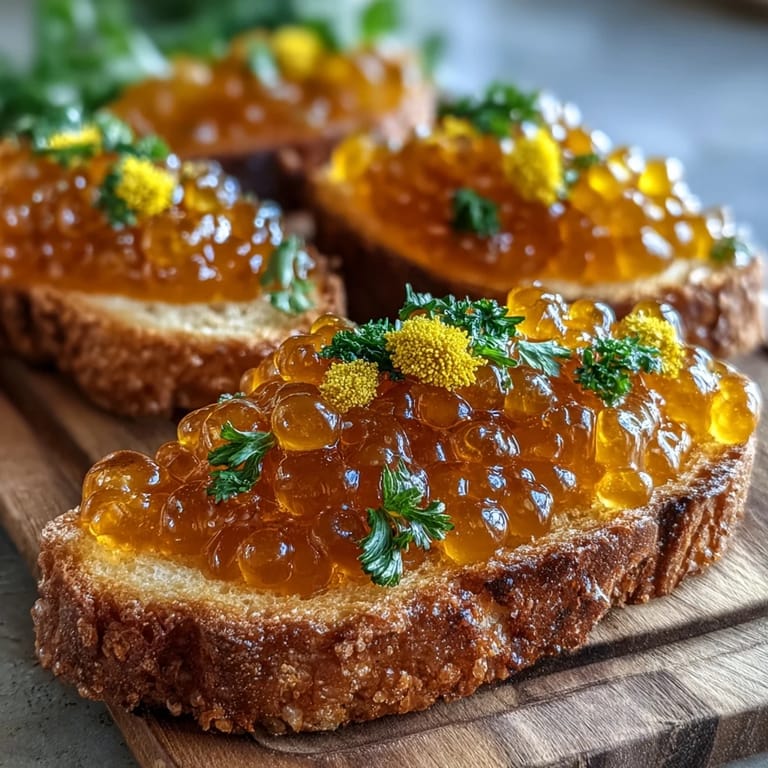
Save The first time I made dandelion jelly, the kitchen was flooded with late spring sunlight and the windows were wide open. I couldn’t help noticing how the sweet, grassy aroma of the petals mingled with the air, carrying a hint of honey that stopped me mid-stir. There’s a quiet thrill in turning something so familiar and wild into a golden preserve. The process feels like a gentle puzzle—careful petal picking, slow infusion, patience rewarded by a bright, delicate spread. Each jar feels like bottling sunshine for gray mornings ahead.
I remember making a big batch for an early brunch last year; my neighbor stopped in, curious about the little jars lined up on my counter. She was skeptical at first, but after spreading a spoonful on a slice of warm toast, she went silent—then asked for a second helping. The surprise of floriated sweetness sparked laughter and stories about foraging. That morning, the jelly stole the spotlight from all the usual jams.
Ingredients
- Dandelion Petals: Only the bright yellow parts should be used—if you leave on green, it can turn bitter. Plucking petals gently avoids bruising and preserves the flavor.
- Water: Fresh, cold water is ideal for steeping, ensuring the infusion stays crisp and clear.
- Lemon Juice: Adds brightness and balances the sweetness; bottled works, but fresh lemon adds a touch more zest.
- Powdered Fruit Pectin: This is the magic that sets your jelly; using the right amount helps avoid syrupy results.
- Granulated Sugar: Essential for both sweetness and proper gel ratio—I've tried with less, but the consistency wasn't right.
Tired of Takeout? 🥡
Get 10 meals you can make faster than delivery arrives. Seriously.
One email. No spam. Unsubscribe anytime.
Instructions
- Pick Petals Like a Pro:
- Rinse the dandelions thoroughly and pinch off just the yellow petals, leaving greens behind. The pile grows faster than you expect when you get in a rhythm—sometimes I listen to music while working.
- Steep for Floral Flavor:
- Bring water to a boil and pour over petals. Cover the mixture, let it steep for several hours or overnight—the scent is earthy and pleasant, hinting at spring.
- Strain Without Squeezing Too Hard:
- Pour the steeped petals through cheesecloth or a fine sieve, gently pressing to extract as much liquid as possible. Discard the petals, keeping the golden tea.
- Jelly Transformation:
- Combine dandelion tea, lemon juice, and pectin in a saucepan. Heat to a rolling boil, then add sugar all at once—stirring constantly as it boils hard for 1–2 minutes. It’s normal to see foam; just skim it off once you remove the pan from heat.
- Jar and Seal:
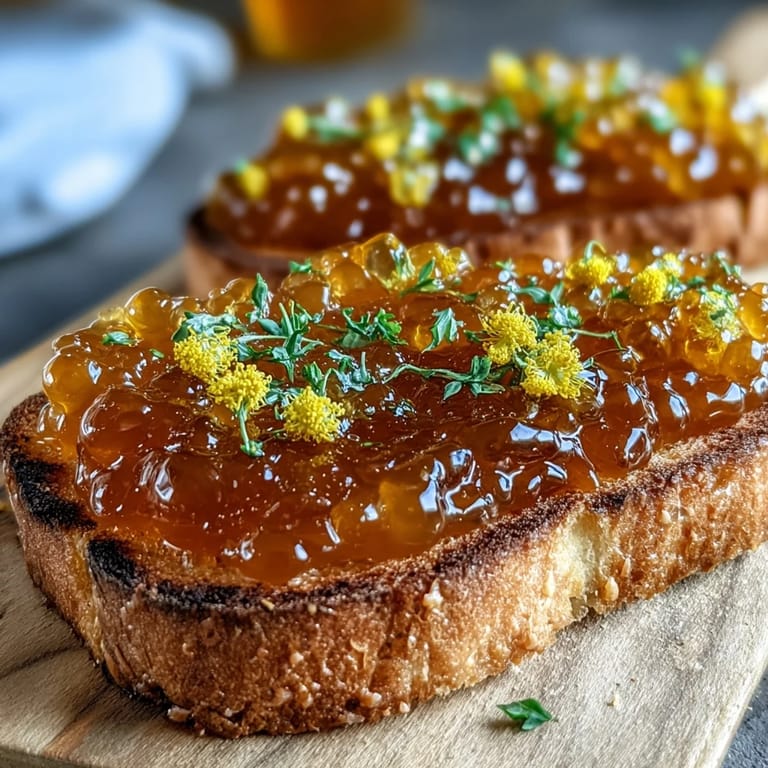
- Pour the hot jelly into sterilized jars, leaving a quarter-inch gap at the top. Clean the jar rims, seal with lids, and process in a boiling water bath for five minutes or cool before refrigerating to enjoy right away.
 Save
Save One afternoon, my young cousin helped pour the jelly into jars—her hands sticky and giggles echoing around the kitchen. When she tasted the cooled jelly for the first time, her delighted grin made the long afternoon of petal plucking worth every minute. It became a shared ritual each year, a little marvel we both looked forward to.
Steeping Secrets for Best Flavor
Leaving the petals to steep overnight yields a golden tea with a much richer bouquet. On brisk mornings, I find the jarred jelly tastes especially vivid after a long infusion, showcasing the subtle honey notes. Patience truly changes the result, and the aroma the next day always makes me smile.
Avoiding Bitterness and Getting the Right Set
Removing every bit of green from the petals is absolutely crucial. Early on, I rushed and ended up with a batch that tasted unpleasantly herbal and never set properly. Now, double-checking each handful and being generous with pectin helps guarantee a perfect gel each time.
Making the Most of Your Wild Forage
Collecting petals from clean, pesticide-free areas gives peace of mind and the brightest flavor. I usually bring a basket and inspect each dandelion closely; surprisingly, the process feels meditative and cheerful. Sharing the finished jars with friends always sparks interest and conversation about wild foods.
- Wait until mid-morning when dandelions are open wide for easiest petal collection.
- If jelly doesn’t set, reboil it with a touch more pectin instead of tossing it.
- Always check jars for tight seals before storing—if in doubt, refrigerate and use soon.
 Save
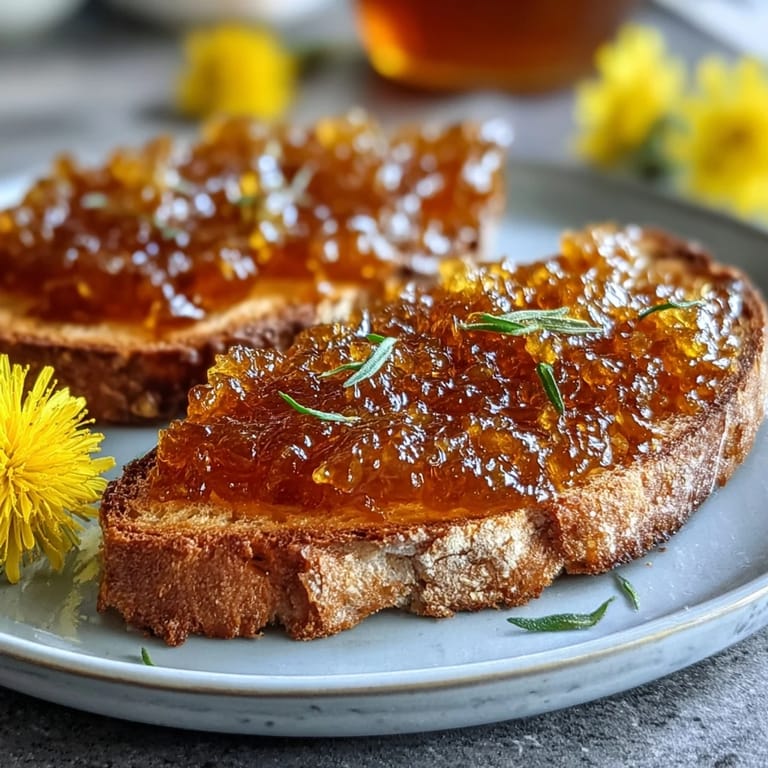
Save Each spoonful of dandelion jelly adds a little sunshine to the plate, something simple yet special. Share it generously—it’s a recipe best made with helping hands and curious hearts.
Recipe FAQs
- → What does dandelion jelly taste like?
Dandelion jelly features a delicate, floral sweetness with notes similar to mild honey and citrus.
- → Can I use any dandelions for making this jelly?
Use freshly picked, pesticide-free dandelion flowers from clean, untreated areas for best flavor and safety.
- → Why add lemon juice to the jelly?
Lemon juice brightens the flavor and helps the jelly set by balancing acidity needed for pectin to work.
- → Will the jelly set immediately after cooking?
Jelly sets as it cools. If still loose after 24 hours, reboil with more pectin to achieve desired firmness.
- → How long can the dandelion jelly be stored?
When canned and sealed properly, dandelion jelly keeps for months in a cool, dark place. Refrigerate after opening.
- → What tools are essential for making dandelion jelly?
You’ll need a large saucepan, sieve or cheesecloth, sterilized jars with lids, ladle, and an optional jar funnel.